What Is a Rental Management System? A Complete Guide for Landlords and Property Managers
A rental management system is software that brings rent collection, tenant records, lease tracking, maintenance requests, and financial reporting into one platform. It saves time, improves cash flow, reduces errors, and gives landlords, tenants, and property owners real-time visibility. When choosing one, focus on your specific needs, supported payment methods, ease of use, pricing, reporting, mobile access, security, and support. Always test with a demo or free trial before committing.
By Bismarck Momanyi6 min read
Managing rental properties with spreadsheets, notebooks, and WhatsApp messages works when you have two or three units. Once you have ten, twenty, or a hundred, things slip: rent goes uncollected, maintenance requests get lost, and leases expire without anyone noticing.
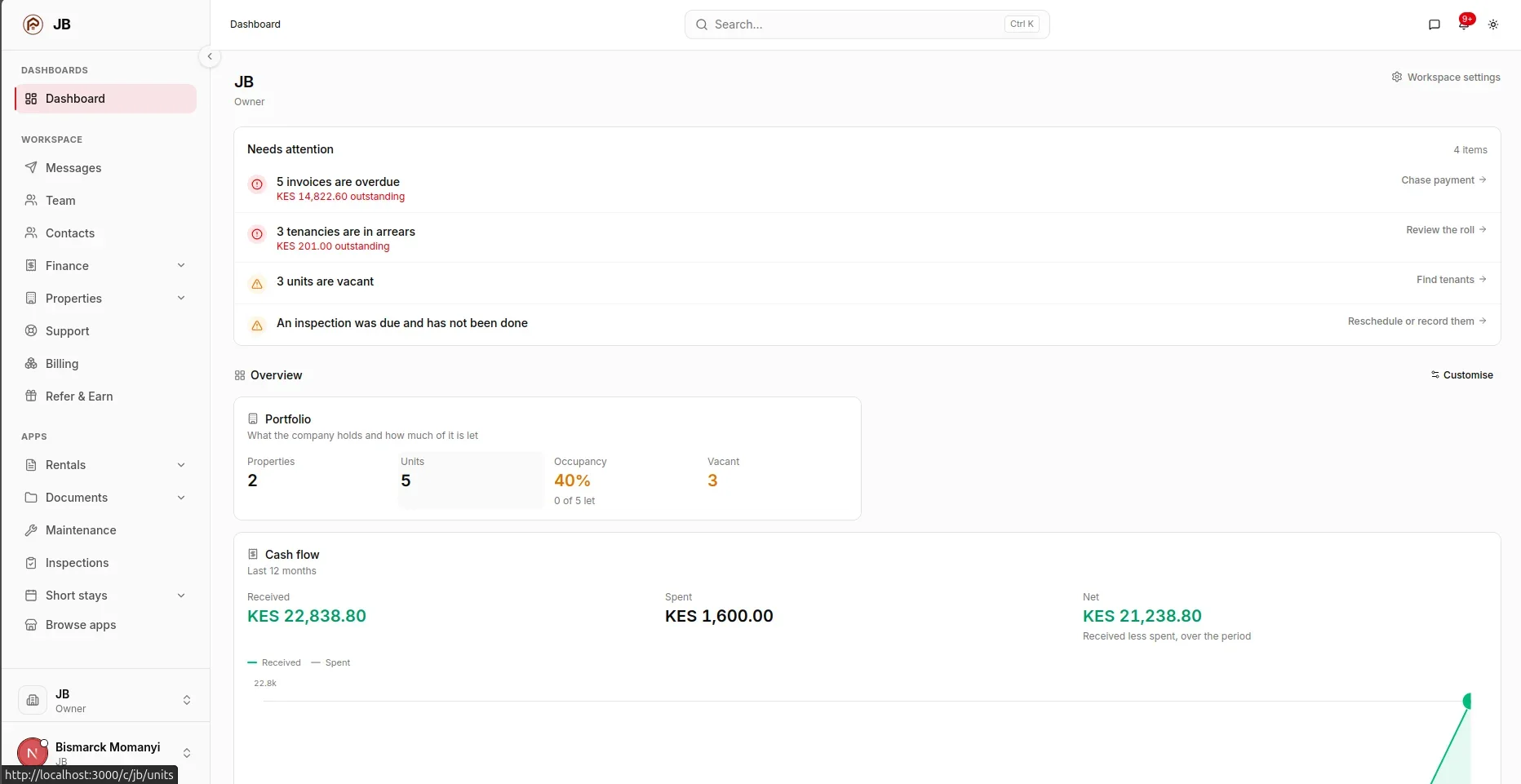
A rental management system fixes this by putting everything about your properties, tenants, and money in one place. In this guide, you'll learn what a rental management system is, what features to look for, the benefits it brings, and how to choose the right one for your portfolio.
What Is a Rental Management System?
A rental management system is software that helps landlords, property managers, and real estate agencies run their rental business from one dashboard. It automates repetitive work such as rent collection, lease tracking, tenant communication, maintenance requests, and financial reporting.
You may also see it called rental property management software, property management software, or a tenant management system. The names differ, but the goal is the same: less manual work, fewer errors, and better visibility into your business.
Who Needs a Rental Management System?
- Individual landlords with several units who want to stop chasing rent by phone
- Property management companies handling properties for multiple owners
- Real estate agents who manage rentals alongside sales
- Housing associations and apartment blocks that need organized tenant records
- Short-term and vacation rental hosts who need booking and payment tracking
Key Features of a Good Rental Management System 1. Property and Unit Management
Store every property and unit with details such as size, rent amount, amenities, photos, and occupancy status. You can see at a glance which units are vacant, occupied, or under maintenance.
2. Tenant Management
Keep tenant profiles, contact details, ID documents, emergency contacts, and rental history in one searchable place, instead of scattered across files and phones.
3. Lease Management
Create, store, and track lease agreements digitally. Good systems send automatic reminders before leases expire, so you can renew or re-list on time.
4. Online Rent Collection and Invoicing
This is often the biggest time saver. The system generates invoices automatically, accepts online or mobile payments, records them instantly, and flags late payments. Many systems also apply late fees automatically according to your rules.
5. Maintenance Request Tracking
Tenants submit repair requests through a portal or app. You assign them to a contractor, track progress, and keep a full repair history for each unit.
6. Accounting and Financial Reporting
Track income, expenses, arrears, and deposits. Reports such as rent rolls, profit and loss, and occupancy rates help you understand how each property performs.
7. Tenant and Owner Portals
Tenants can view balances, pay rent, and make requests. Property owners can see statements and performance without calling you for updates.
8. Communication Tools
Send bulk SMS, emails, or notifications for rent reminders, maintenance notices, or general announcements.
9. Document Storage
Keep leases, receipts, inspection reports, and contracts securely stored and easy to retrieve.
Benefits of Using a Rental Management System
Saves time. Automation replaces hours of manual invoicing, reconciling payments, and sending reminders.
Improves cash flow. Automatic reminders and easy payment options mean tenants pay faster and more consistently.
Reduces errors. No more double entries, lost receipts, or miscalculated balances.
Improves tenant relationships. Tenants get faster responses, clear records, and convenient ways to pay and request repairs.
Gives you real-time visibility. Instead of guessing, you can see occupancy, arrears, and income from any device.
Scales with your business. Adding ten more units doesn't mean ten times the paperwork.
Builds trust with property owners. If you manage properties for others, transparent statements and reports make you look professional and accountable.
How to Choose the Right Rental Management System
Define your needs. Are you a landlord with a few units or a company managing hundreds? Long-term or short-term rentals?
Check local payment support. Make sure the system supports the payment methods your tenants actually use, including mobile money and bank transfers where relevant.
Look for ease of use. If it's complicated, you and your team won't use it. Ask for a demo or free trial.
Compare pricing models. Some charge per unit, some a flat monthly fee, and some take a percentage of collected rent. Choose what fits your margins.
Confirm reporting features. You should be able to export clear financial and occupancy reports.
Check mobile access. You and your tenants should be able to use the system from a phone.
Review security and backups. Tenant data and financial records must be protected and backed up.
Test customer support. Responsive support matters most when something goes wrong on rent day.
Ask about integrations. Accounting tools, SMS gateways, and payment providers can extend what the system does.
Common Mistakes to Avoid
- Choosing based on price alone and ignoring missing features
- Skipping the free trial
- Not training staff or migrating data properly
- Ignoring tenant experience, since a system tenants dislike won't get used
- Overpaying for enterprise features you don't need
Rental Management System vs. Spreadsheets
Spreadsheets are fine to start with, but they don't send reminders, accept payments, track maintenance, or give tenants and owners access. They also depend heavily on one person keeping them updated correctly. A rental management system automates the work and creates a single reliable source of truth.
Frequently Asked Questions
What is a rental management system?
It is software that helps landlords and property managers handle rent collection, tenants, leases, maintenance, and financial reports from one platform.
How much does a rental management system cost?
Pricing varies widely. Some plans are priced per unit, others per month, and some take a percentage of rent collected. Compare a few providers against your portfolio size.
Is a rental management system worth it for a small landlord?
Yes, if you're spending significant time on follow-ups and record-keeping. Even a handful of units can benefit from automated reminders and clear records.
Can tenants pay rent through the system?
Most modern systems offer online payment options, and many support mobile money, cards, or bank transfers depending on the provider.
Is my data safe in a cloud-based system?
Reputable providers use encryption, access controls, and regular backups. Always check the provider's security practices before signing up.
Can I manage multiple properties or owners?
Yes. Most systems let you manage multiple properties, and property-management-focused platforms include owner portals and statements.
Conclusion
A rental management system isn't just a nice tohave. It is how modern landlords and property managers save time, collect rent reliably, and keep tenants and owners happy. Start by listing your needs, try a few options with free trials, and pick the system that fits how you actually work.
Ready to stop chasing rent and start managing smarter? Book a demo or start a free trial today. Chat with us on Whatsapp